
Fence planning resource
Vinyl vs. Wood Fence: Choosing for a Gadsden Yard
Wood gives you a natural appearance and flexible finishing choices. Vinyl avoids routine staining, but the best choice depends on the product, the layout and how you want to handle repairs.
Wood and vinyl solve similar privacy needs differently
Both materials can create a private yard when the style and layout close off views. Compare the actual board or panel system rather than choosing by the material name alone.
| Consideration | Wood | Vinyl |
|---|---|---|
| Upfront cost tier | Generally a lower starting tier; grade and finishing affect the quote. | Generally a higher starting tier; panel system and reinforcement matter. |
| Upkeep | Check boards and fasteners; plan for the chosen finish. | Wash as needed; check panels, posts and hardware. |
| Humidity and rot | Moisture management matters; wood can decay. | Vinyl does not rot like wood; installation still needs drainage and stable posts. |
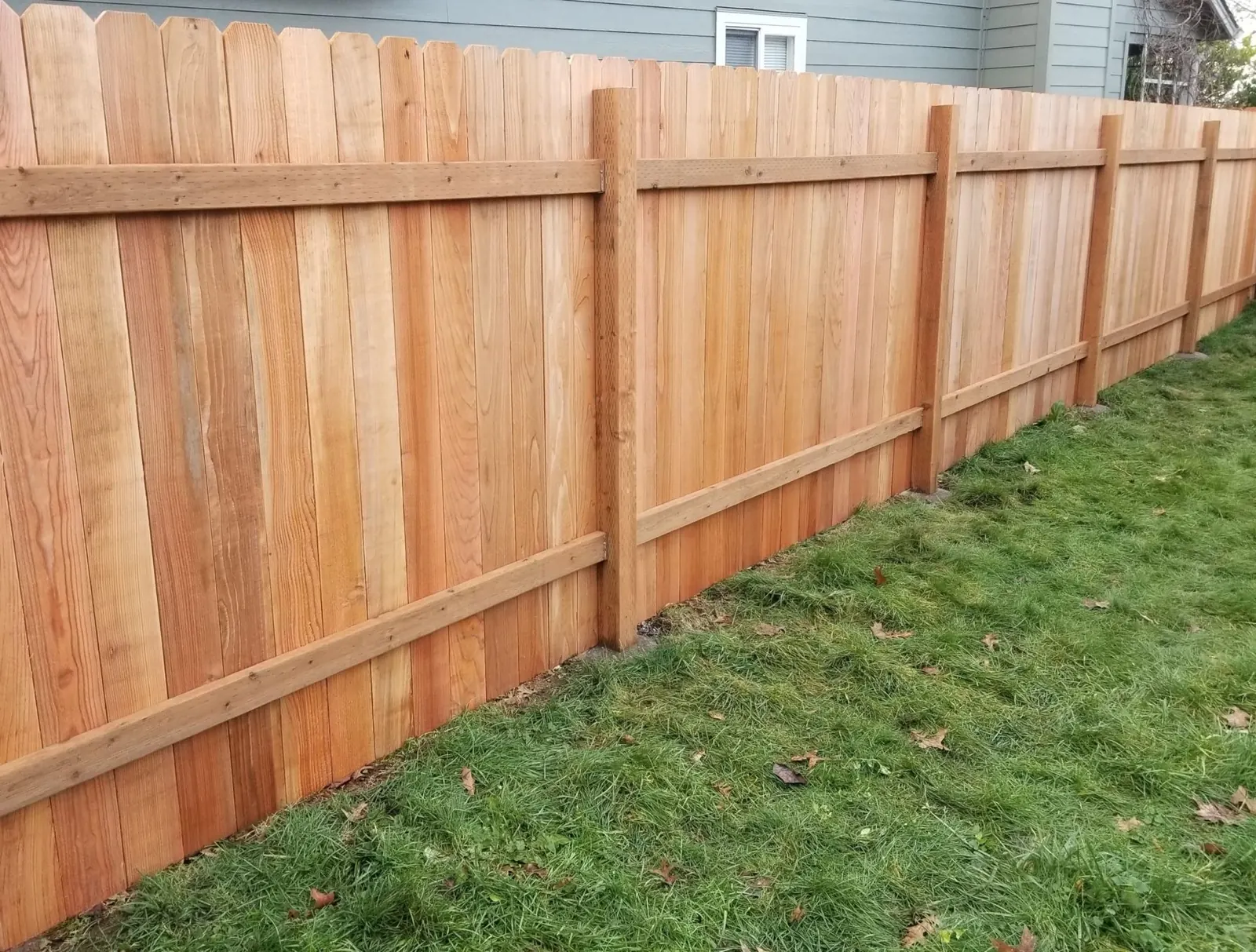
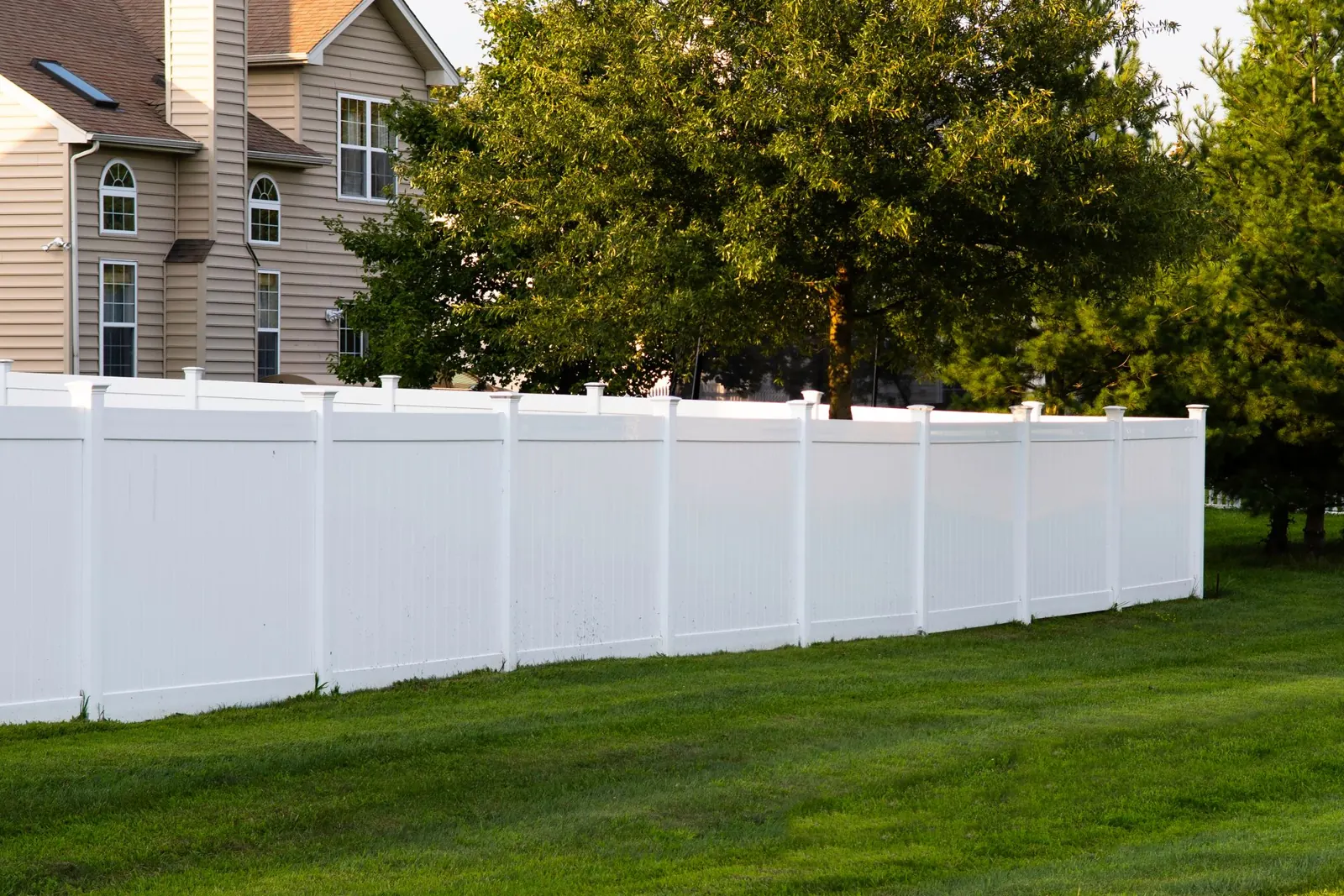
| Look | Natural grain, stain or paint; flexible board patterns. | Consistent manufactured colors and panel profiles. |
| Repairs | Individual boards may be replaced; match species and finish. | Replacement depends on compatible panels and parts. |
| Privacy | Solid boards or overlapping designs; some patterns have gaps. | Privacy panel profiles can close views; picket or rail styles do not. |
Plan for humidity and drainage with either material
A humid yard calls for attention to water around the fence, especially with wood. Keep vegetation from holding moisture against boards and ask how the installer will handle grade and drainage.
Vinyl avoids wood rot, but it does not make an uneven or wet fence line simple. Posts still need a sound installation, and gates need support that suits the selected system. Ask how the fence will meet the ground on a slope without creating unwanted openings.
Choose the look and level of privacy together
Solid privacy styles block more views than picket or ranch rail designs. Wood offers grain and finishing options; vinyl offers a consistent manufactured look that does not rely on stain for its color.
A shadowbox wood fence looks different from opposite sides and can allow angled views between boards. A solid vinyl panel has a different appearance from a vinyl picket fence. Review the exact style, height and color, and check HOA or city requirements before committing.
Ask how a future repair would be handled
Repair options depend on the components that can be replaced and matched. A wood fence may allow a single board repair, while a vinyl repair may require a compatible panel, rail or post component.
Ask which wood species and dimensions or which vinyl manufacturer and profile appear in the quote. Keep that information with the invoice. For both materials, get gate hardware and warranty terms in writing instead of assuming every component is covered the same way.
Compare the whole installation, not just the panels
Request the same measured length, height and gate openings in each quote. Otherwise, the apparent difference between wood and vinyl may reflect different scopes rather than material costs.
Include removal, grading, post foundations, gate reinforcement, finish, cleanup and permit responsibilities. Ask whether the price is for a complete installed fence and whether any exclusions could change the final total.
Keep planning your fence
Review the material options and local requirements before choosing the final layout.
Ready to plan your fence?
Request a free on-site estimate or call (256) 406-2568.