
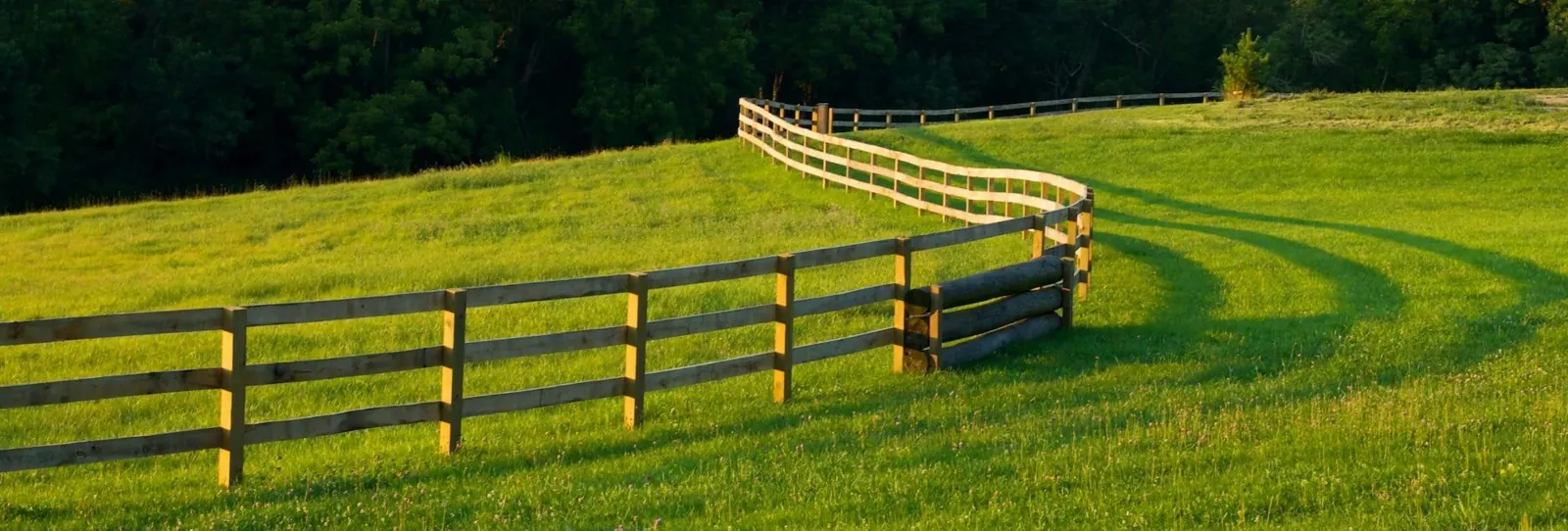
Wood ranch-rail fence curving across a green pasture

Gadsden & Etowah County, Alabama

Farm Fence Installation in Gadsden, AL

Match pasture fencing to the animals, terrain and daily gate use. Compare woven wire, rail styles and electric offsets rather than choosing on appearance alone.

Gadsden / Rainbow City / Southside / Attalla / Glencoe / Hokes Bluff

Get a free estimate

Farm Fencing: styles and options

Wood ranch-rail fence curving across a green pasture

Woven wire and livestock mesh

Choose mesh openings and strength for the animals being contained, including younger or smaller animals. Corners, ends and changes in direction need proper bracing so tension does not pull supports out of alignment. Discuss stock pressure, existing fence connections and the daily movement of animals. A wire type suitable for cattle is not automatically suitable for horses, goats or poultry.
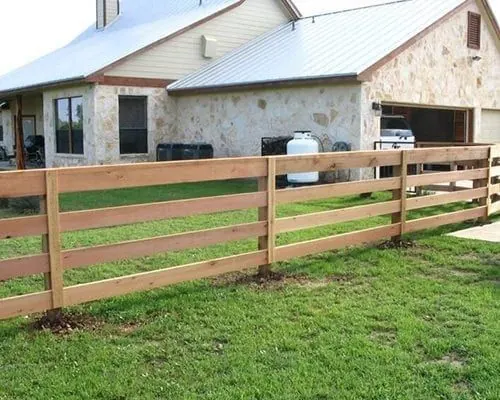
Three-rail wood ranch fence in front of a stone home

Wood ranch rail

Open rails provide a visible pasture boundary and a traditional rural appearance. Rail spacing alone may not contain every animal, so additional appropriate mesh or an offset may be needed. Ask how rails join posts and how the line follows grade. Use the rail example photos to discuss appearance, and have the containment design specified for your animals.

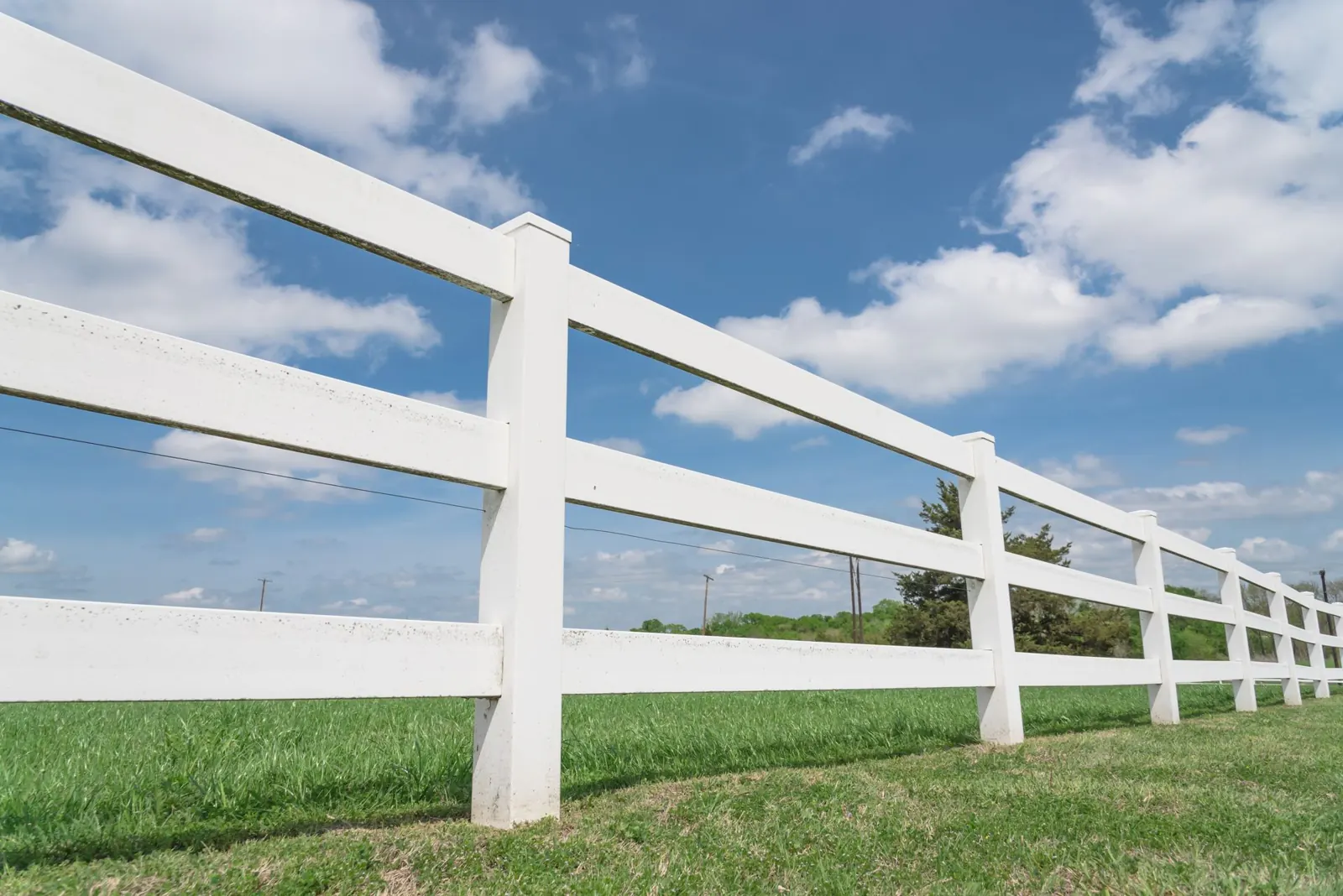
White three-rail vinyl ranch fence under a blue sky

Gates and electric offsets

Farm gates should support machinery, trailers and livestock handling without becoming an escape point. Think about where animals gather and how a person opens the gate safely. Electric offset wire can reduce rubbing or leaning on an existing line, but it needs compatible hardware, grounding and an energizer selected for the actual fence conditions.

Compare the practical differences

Farm Fencing option comparison
OptionBest considered forWhat to check
Woven wireAdaptable animal containmentMatch openings and bracing to stock and terrain
Wood rail with suitable meshVisible horse or pasture boundaryPlan wood care and animal-safe attachments
Electric offsetDiscourages pressure on a physical fenceRequires grounding, vegetation control and testing

Before you build

Local considerations in Gadsden

A rural-looking property may still be inside Gadsden or subject to a zoning district. The general required-front-yard sight-obstruction limit is 3 feet. Town and Country allows 42 inches in the front setback and 6 feet elsewhere, with chain link not visible from a public right-of-way. Ask how the proposed agricultural material is classified before assuming pasture use overrides district restrictions.

Design districts may require a Certificate of Appropriateness, and an HOA may restrict rail appearance or agricultural uses. Call the Gadsden Building Department at (256) 549-4764 to confirm your address and review requirements. Outside the city, check the authority responsible for your location rather than applying city rules to every Etowah County property.

Red clay, rock and rolling ground change how a long line is laid out and braced. Low spots can become animal escape points or concentrate water against posts. Alabama humidity makes suitable wood treatment and drainage important. Walk the proposed route before quoting so creek crossings, roots and equipment access are considered instead of treating acreage as a straight-line fence measurement.

Contact Alabama 811 before digging and arrange locating for private water or electrical runs serving barns and paddocks. Verify boundaries with a survey where necessary. Plan a safe temporary containment arrangement while an old line is removed; an installation schedule should not leave livestock relying on an incomplete fence or untested electric system.

Read the Gadsden fence permit guide

Farm Fencing cost in Gadsden

Farm-fence cost is shaped by actual run length, stock type, wire specification, braces and gate openings. Clearing, uneven terrain, remote access and rocky excavation may require more work than a simple per-foot material comparison suggests. Ask whether existing posts can be reused only after they are inspected, and separate electric equipment from the physical-fence scope. A written estimate should explain removal, vegetation clearing and any drainage crossing rather than assuming these are included in a pasture-fence price.

Factors to include in the estimate

  • Measured length, height and the selected material specification
  • Gate openings, hardware and supporting foundations
  • Terrain, excavation, access and existing fence removal
  • Any finishing, equipment or specialist work included in the scope
Read the Gadsden fence cost guide

Process and timeline

  1. 01

    Walk the line and identify stock needs

    Explain which animals use each enclosure and how feed, water and machinery move through it. Identify pressure points and any neighboring stock. The route should account for day-to-day handling, not just the shortest distance between property corners.

  2. 02

    Specify braces, mesh and access

    During the measure, review terrain, wire type, rail details and gate approaches. Agree on clearing, utility coordination and temporary containment responsibilities. Where an electric offset is included, define the equipment and testing scope separately in the written price.

  3. 03

    Build and inspect for animal use

    Check bracing, attachments, low gaps and gate movement before introducing animals. Test any electric components and obtain operating guidance. Ask the contractor for the actual timeline, especially when weather, clearing or long material runs affect scheduling.

Farm Fencing: frequently asked questions

Which farm fence is suitable for horses?

Visible rail fencing or suitable no-climb mesh may be appropriate, depending on the horses and layout. Avoid choosing barbed wire as a default horse boundary. Discuss openings, safe attachments and horse behavior with the installer and seek livestock-specific guidance where needed.

Can one fence design contain cattle and goats?

Possibly, but goats and smaller animals may need a different mesh or additional containment detail. Explain all animals that will use the enclosure. A cattle-oriented wire arrangement should not be assumed to contain climbing or smaller stock.

Why are corner braces important?

Tensioned wire pulls on corners, ends and changes in direction. Proper braces distribute those loads and help the line remain stable. The design must suit the terrain and wire system; adding more tension cannot compensate for a weak or poorly supported corner.

Can old farm posts be reused?

Only after checking condition, alignment and suitability for the new loads. Hidden decay or loose foundations can undermine new wire. An estimate should distinguish inspected reusable posts from replacements rather than promising reuse based on a quick look from the road.

Does electric wire replace a physical pasture fence?

It depends on the stock, management and site. An offset can complement a physical boundary, while other electric systems require their own containment plan. Discuss failures, power loss and safe animal handling instead of assuming an energized wire solves every problem.

How should gates be placed on a farm?

Place them where equipment approaches safely and animals can be moved without awkward turns or crowding. Consider slopes, mud and water flow. Measure the actual machinery and trailer requirements before deciding on a gate opening or swing direction.

Related fence services

Towns we serve

Request an on-site estimate in Gadsden or these nearby Etowah County communities. Call to confirm coverage for your address.

Ready for a free fence estimate?

(256) 406-2568

Get My Free Quote